Celebrate the New Year! 25% Off All House Plans 🎉

white

Modern Transitional House Plans

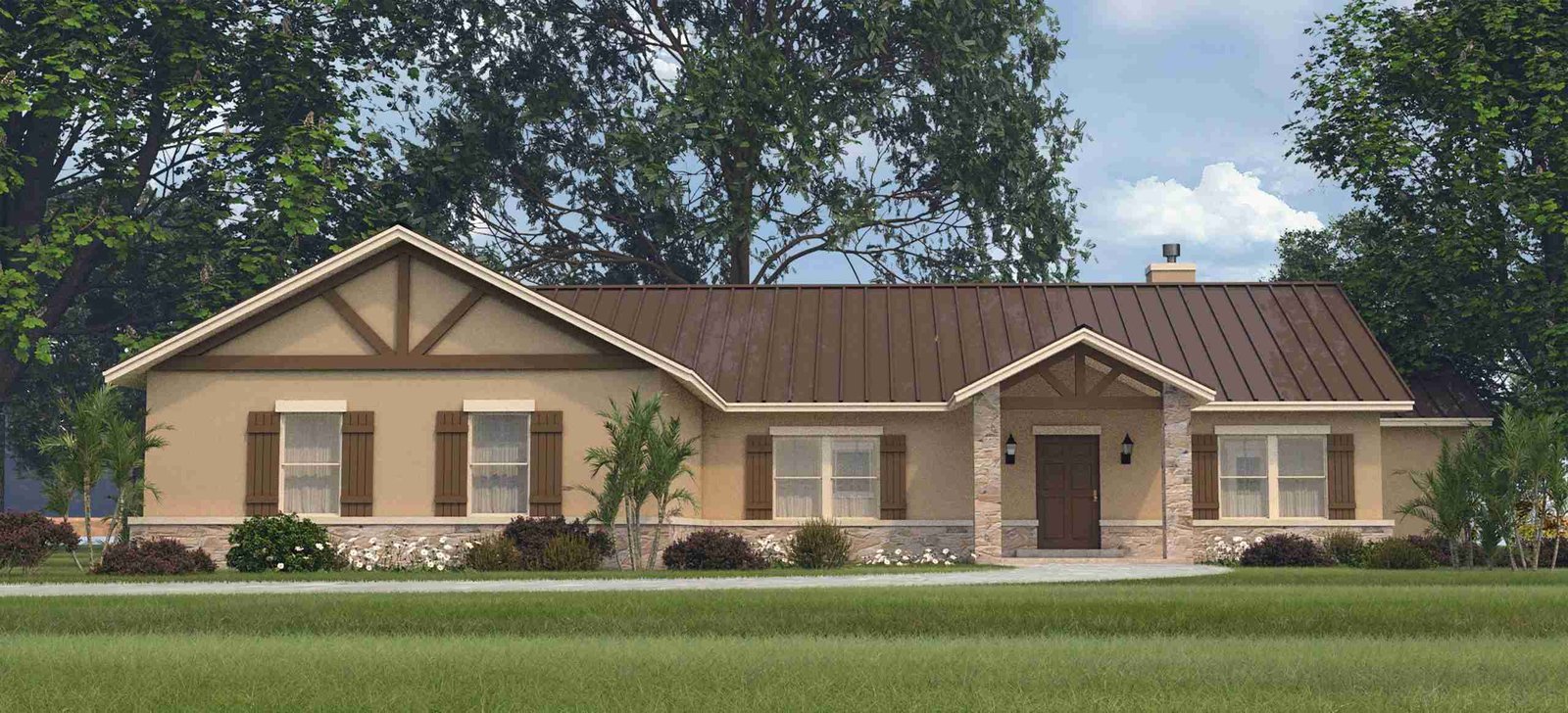
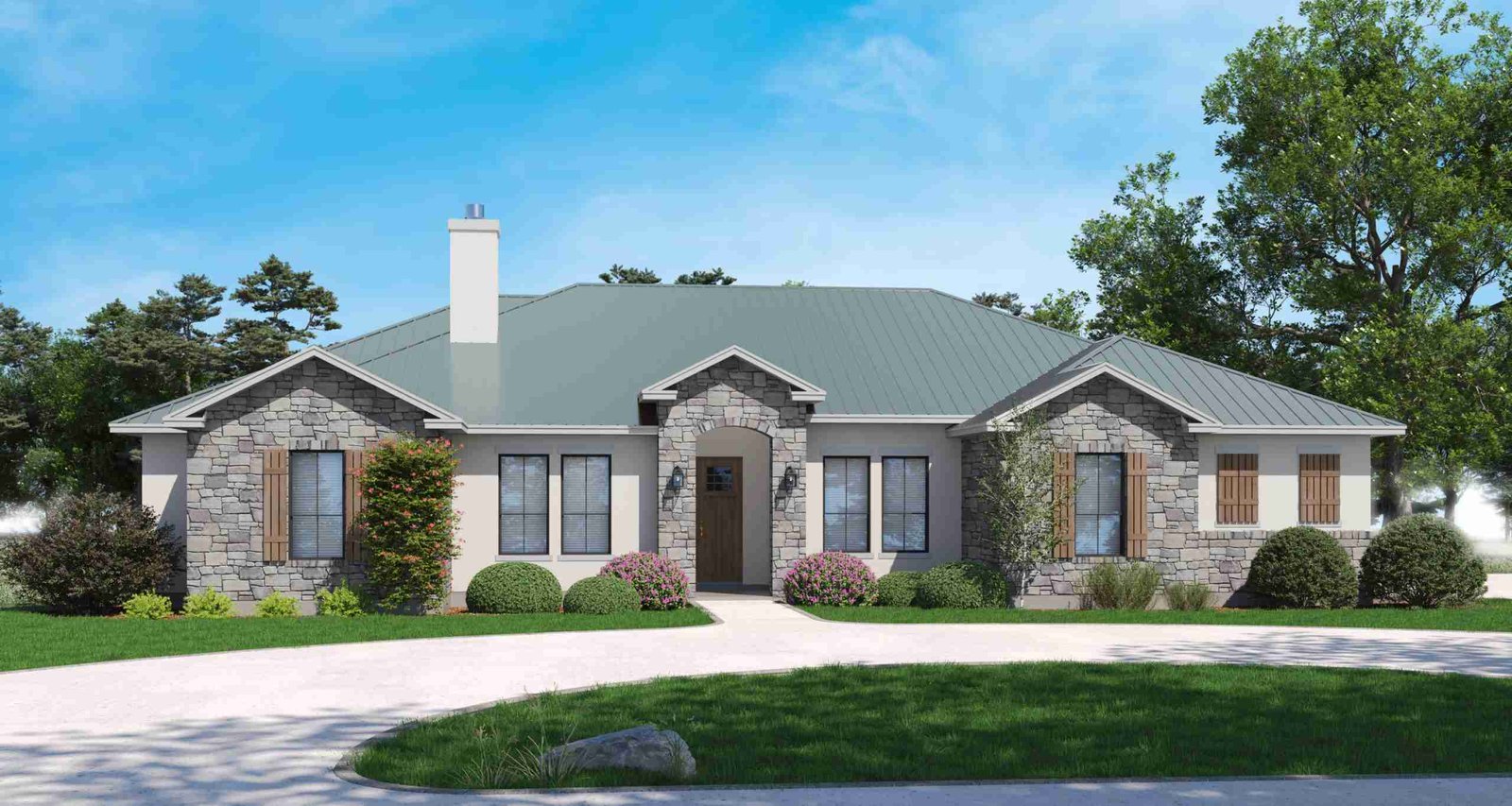
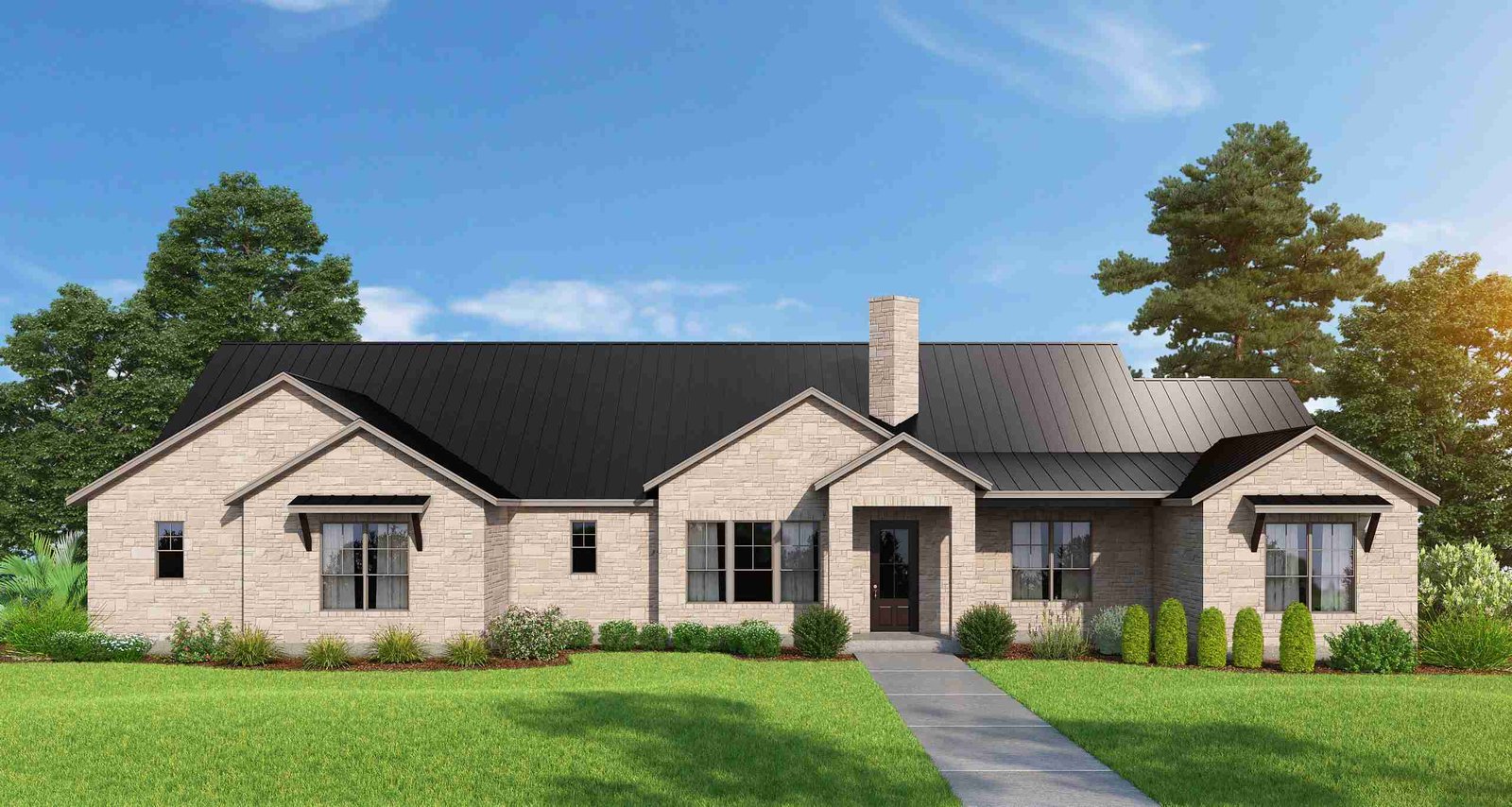
Modern Transitional homes blend the elegance of traditional architecture with the clean lines and functionality of contemporary design. This hybrid style emerged as a response to homeowners seeking the warmth and familiarity of classic homes without sacrificing the openness and simplicity of modern living. Exteriors typically feature a balanced combination of materials—like brick, wood, metal, and glass—alongside gabled roofs and symmetrical forms, creating curb appeal that feels timeless yet fresh.


Modern transitional house plans emphasize spacious, light-filled layouts that flow effortlessly from room to room. While the interiors often include open-concept living areas and minimalist finishes, they also retain cozy, traditional touches such as defined dining spaces, wood accents, or classic lighting. The result is a versatile home that feels grounded and inviting, suited for both established neighborhoods and new developments. This style offers a refined balance—contemporary but not stark, classic but not dated.

Modern Transitional FAQ ↓

Search Plan

Square Feet

Bedrooms

Bathrooms

Stories

Garage (Vehicle Spaces)

Architectural Styles

(32)

(61)

(2)

(192)

(14)

(57)

(5)

(55)

(32)

(163)

(119)

(388)

(239)

(23)

(153)

(5)

(1)

(33)

(120)

(111)

(83)

(5)

(301)

(50)

(281)

(3)

(20)

Outdoor Living

Bedroom Options

Kitchen & Dining

Laundry Location

Additional Rooms

Garage Type

Other Features

Foundation Type

Media Filters

Width (ft)

Depth (ft)

Plan Type

Show Filter

Modern Transitional House Plans

×

Frequently Asked Questions About Modern Transitional House Plans

What is a modern transitional style home?


A modern transitional home blends traditional architecture with contemporary design. You’ll often see classic elements like gabled roofs or center-hall layouts combined with modern features such as open floor plans, large windows, and minimalist trim. The result is a timeless, balanced design that feels both familiar and updated.


How does a transitional home compare to modern or traditional styles?


Traditional homes focus on historic details and formal layouts, while modern homes favor bold forms and minimalism. Transitional homes blend the two—offering open spaces, cleaner lines, and modern finishes, while still incorporating touches like defined dining rooms or entryways that echo the structure of older homes. This balance keeps the design from feeling cold or overly minimal.


Is a modern transitional home right for my area?


This style is highly adaptable. It shares enough elements with traditional homes to blend into older neighborhoods, while its clean lines and materials fit right in among newer builds. Whether you’re in a historic district, a modern subdivision, or even an urban infill lot, a transitional design often feels right at home. Its balanced look makes it well-suited for both suburban and city environments.


What does a modern transitional floor plan typically include?


A modern transitional floor plan typically includes open-concept living areas with seamless flow between the kitchen, dining, and great room. High ceilings, generous windows, and natural light are key features. While the design leans modern, you’ll still find traditional touches like defined foyers, cozy reading nooks, or formal dining rooms that add structure and charm. It’s a flexible design approach that prioritizes both function and comfort.