



Back to Articles
Lowcountry House Plans: Southern Charm & Coastal Living

House Plans Online
July 4, 2025
Lowcountry-style house plans have an easygoing Southern charm rooted in the coastal regions of the southeastern United States. This architectural style originated along the low-lying shores of South Carolina and Georgia, where early builders designed homes to catch ocean breezes and withstand humid summers. Over time, Lowcountry architecture has evolved from its humble colonial beginnings into a beloved home style that blends historic character with modern comfort.
A Brief History and Regional Roots of Lowcountry Architecture
The term “Lowcountry” refers to the low-elevation coastal plains of the South around Charleston, South Carolina, and Savannah, Georgia. This region was settled in the 17th and 18th centuries by a mix of European colonists (including English and French Huguenots) and was influenced by Caribbean and West African cultures. The earliest Lowcountry homes were practical shelters built to adapt to the subtropical climate. The style began as simple one-room cottages (late 1600s–1700s) and later grew into larger plantation and town homes that still addressed climatic needs.
Cultural influences played a big role in shaping Lowcountry design. British colonists brought Georgian and Colonial architectural ideas, favoring symmetrical layouts and formal street facades. Meanwhile, exposure to Caribbean architecture inspired features like broad porches and open-air living areas well-suited to tropical weather. This merging of British formality with Caribbean outdoor living gave Lowcountry homes their signature blend of graceful symmetry and breezy verandas. African influence is seen in traditions like the Gullah practice of painting porch ceilings “haint blue” (a pale blue-green) to ward off spirits—a custom that dates back to the 19th century and is still observed on many Lowcountry porches today. Through these influences, Southern coastal homes developed as a simple, functional yet elegant architectural response to the coastal environment.
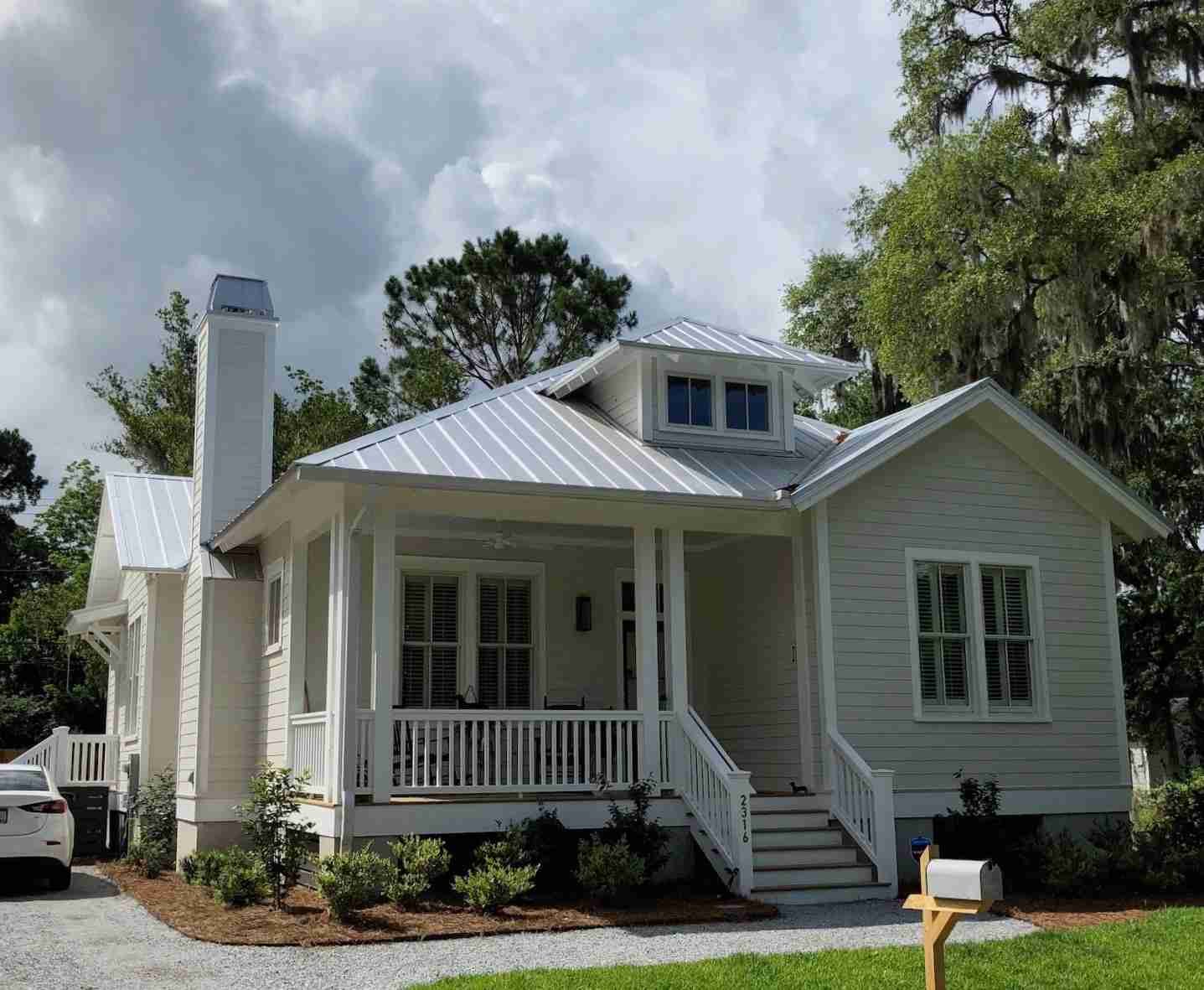
Lowcountry Plan 510-0002
Evolution of the Style for Modern Living
Lowcountry homes have adapted to modern needs and technologies while preserving their core character. Many hallmark features of the style were born out of necessity and remain useful today. For example, the practice of raising the main living floor above ground (to avoid floodwaters and dampness) is still used in new coastal construction. What began as a practical response to tidal floods now also lends homes a stately, elevated look.
Another example is the emphasis on ventilation. Long before air conditioning, Lowcountry homes were designed with multiple doors and windows aligned to create cross-breezes, naturally cooling the interior. Modern Lowcountry house plans continue this idea with open-concept layouts that encourage airflow from room to room, often complemented by ceiling fans and even screened breezeways. Architects today still orient Lowcountry homes to catch prevailing winds and include plenty of operable windows so that fresh air can flow through on balmy days.
While the outward appearance of Lowcountry houses retains a timeless charm, their interiors have evolved to meet contemporary lifestyles. You’ll find open kitchens, great rooms, and spa-like bathrooms integrated into newer Lowcountry house plans. Modern materials are also incorporated: for instance, metal roofs (historically tin or copper) are used not just for authenticity but also for their durability and ability to reflect heat. Builders might use sustainable composites or advanced insulation today, yet often still choose exterior finishes that honor tradition—such as horizontal wood siding, whitewashed brick, or even tabby stucco (an old Lowcountry material made from oyster shells and lime). The color palette typically remains true to the region’s heritage, favoring light, nature-inspired hues (soft whites, pale blues, sandy beiges, and leafy greens) that keep the home feeling cool and welcoming.
Key Exterior Characteristics of Lowcountry Homes
From the curb, a Lowcountry home is instantly recognizable by several defining exterior features. Key exterior characteristics include:
Raised Foundations
Lowcountry houses are often built a few feet (or even an entire story) off the ground. In historic times, homes sat on piers or crawlspaces to avoid floodwaters and moisture from the marshy soil. Today, this raised foundation protects against hurricanes and high tides while giving the home a commanding presence. Often, the area beneath can be used for parking, storage, or as a covered patio in modern designs.
Broad, Covered Porches (Verandas)
Many Lowcountry homes boast wraparound porches that may span the front and sides of the house. It’s common to see wide steps leading up to a deep porch lined with columns or pillars. The porch ceiling is often painted haint blue as a nod to local tradition.
Gabled or Hipped Rooflines
Lowcountry roofs tend to be tall and pitched, either in a gable or hipped form. Deep eaves overhang the porches to help funnel rain away and cast more shade on the porch and windows. The roof itself is frequently made of metal (tin, copper, or aluminum)—a reflective surface that historically helped deflect the intense sun and keep interiors cooler.
Large Windows with Shutters
To maximize ventilation and views, Lowcountry designs include tall, double-hung windows in abundance. These windows often reach almost to the floor and are paired with working or decorative shutters on the outside.
Wood and Natural Materials
Lowcountry exteriors typically feature wooden elements that blend with the environment. Classic versions use clapboard siding or board-and-batten siding, often painted in light colors. In some areas, brick or stucco is used for the lower level (especially if it’s an enclosure of the raised foundation), but upper stories and cottage-style homes often stick to wood for its natural look.

Lowcountry Plan 510-0008
Key Interior Features and Layout
Just as the outside of a Lowcountry home is designed for the coastal climate, the interior layout and features follow the theme of comfort, airiness, and informal elegance. Key interior features commonly found in Lowcountry house plans include:
Open Layouts and Central Hallways
Traditional Lowcountry and Charleston homes often had a central hallway or breezeway that ran front-to-back, helping air flow straight through the house. Modern Lowcountry floor plans build on this idea with open-concept living areas. Rather than a maze of small rooms, you’ll typically find a spacious flow connecting the living room, dining area, and kitchen. This not only allows breezes to move through uninterrupted but also suits contemporary living—great for entertaining and family togetherness.
High Ceilings
Lowcountry interiors feature 10- to 12-foot ceilings, and sometimes higher in grander homes. The reason goes beyond aesthetics: high ceilings let hot air rise upward, keeping the living space below cooler in summer.
Tall Windows and Doors for Ventilation
Double-hung windows are a staple. These windows align across the house to facilitate cross-ventilation. For example, a pair of French doors might open from the front parlor to the porch, while another set opens to a back porch, allowing air to pass through. Transom windows (small operable windows above doors) are another classic feature in older Lowcountry homes, used to vent hot air from rooms even when doors remained closed. Inside the home, you might also find interior transoms above bedroom doors, again to let airflow between spaces. All these elements reflect the priority of ventilation and connection with the outdoors.
Bright, Casual Interiors
Interiors tend to have a light and airy décor that mirrors the coastal environment. Expect plenty of natural light flooding in, which is why designers often choose neutral or pastel color schemes so the sunlight can bounce around and the rooms feel fresh. Floors are often hardwood or other natural materials that stay cool. The layout usually places the main living spaces on the upper floor if the ground level is just a foundation or garage, ensuring the primary rooms get better views and breezes. Furthermore, many Lowcountry house plans include at least one screened porch or Carolina room—essentially an indoor-outdoor space with mesh screening.
Why the Lowcountry Style Is Popular (Coastal and Inland)
What makes Lowcountry house plans so appealing that they’re built not only along the coast but also in inland areas? A few key reasons stand out:
- Built for the Climate: Lowcountry architecture is expertly adapted to hot, humid weather.
- Casual Elegance and Curb Appeal: There’s no denying the romantic aesthetic of a Lowcountry home—with a porch wrapped in railings and rocking chairs, tall windows with shutters, and the backdrop of big shade trees or palms creating a picture-perfect coastal design.
- Indoor-Outdoor Lifestyle: Modern homeowners prize a connection to outdoor living—and Lowcountry plans deliver. Expansive porches and easy flow to patios or gardens make it simple to enjoy nature.
- Versatility and Comfort: Despite its origins, the Lowcountry style isn’t strictly for beach houses. These plans accommodate year-round living for all kinds of households.
Who Is the Lowcountry Style Ideal For?
- Coastal Families: Those living near the coast (or wanting to be) often choose Lowcountry designs for their practical advantages.
- Retirees Seeking Charm and Function: With their single-level living—or at least the primary bedroom on the main floor—retirees moving to Southern regions (Charleston, Hilton Head, Savannah, etc.) frequently fall in love with Lowcountry homes.
- Vacation or Second-Home Owners: Whether it’s a vacation cottage by the marsh or a rental investment property near the beach, the style immediately signals “you’re on holiday.” The ample guest space (big porches, open entertainment areas) makes it ideal for hosting friends or renters.
- Anyone Who Loves Southern Living: There’s a romance and nostalgia attached to the style that transcends location. Any buyer who’s drawn to the imagery of Southern living—sipping lemonade under a fan on the veranda, or opening French doors to let the evening breeze in—will find these house plans appealing.
What Distinguishes Lowcountry Homes from Other Southern Styles?
Lowcountry architecture shares some traits with other Southern and coastal styles, yet it has its own distinct identity. Here are a few notable elements that set Lowcountry homes apart:
- Haint Blue Porch Ceilings
- Flood-Conscious Design
- Strong Indoor-Outdoor Connection
- Regional Materials like Tabby and Heart Pine
- Simpler Detailing than Greek Revival
Born in the marshes and coastal plains out of climatic necessity, the Lowcountry style has proven endlessly adaptable and remains beloved for its gracious porches, airy interiors, and quiet elegance. Whether you’re drawn by the romance of a wraparound porch, the practicality of weather-savvy design, or the connection to a rich regional heritage, Lowcountry architecture delivers on all fronts. It’s easy to see why this style has spread from the Carolinas to other areas. With their Southern charm and coastal practicality, Lowcountry homes continue to capture hearts and provide comfortable, beautiful places to call home for generations to come.