



Back to Articles
Garage House Plans: Practical Designs for Modern Living

House Plans Online
November 2, 2025
Garage house plans are home designs where the garage is an intentional part of the layout—serving not only as vehicle storage but also as a flexible space for hobbies, storage, or even guest quarters. As homeowners look for functional and adaptable designs, garage-centric homes have become increasingly popular for their convenience and versatility.
A Brief History of the Garage
The earliest garages evolved from 19th-century carriage houses—simple outbuildings that stored horse-drawn carriages and equipment. As automobiles appeared in the early 1900s, these structures were adapted to shelter cars. Detached, utilitarian garages soon gave way to attached versions after World War II, when suburban growth made convenience a top priority.
By the 1950s, the attached garage had become a standard feature of the American home, allowing direct access indoors and providing protection from the weather. As car ownership grew, so did garage size—two- and three-car garages became common, often doubling as workshops or storage areas. Today, garages serve multiple roles, from hobby zones to home gyms and guest suites, reflecting how homeowners use every square foot of space.

House Plan 630-0084
Key Features of Garage House Plans
Garage-inclusive home designs vary widely, but most share several practical features:
- Attached vs. Detached Garages: Attached garages connect directly to the house for convenience, while detached garages offer more flexibility in placement and aesthetics—sometimes with an apartment or loft above.
- Vehicle Capacity: Most homeowners prefer two- or three-car garages, but plans exist for single-car, tandem, or oversized garages that fit RVs or boats. The number of bays directly influences storage and layout.
- Door Orientation: Front-entry garages are common but can dominate a façade; side- or angled-entry garages improve curb appeal. Alley-access or rear-entry layouts are also popular in traditional neighborhood settings.
- Bonus Space: Many garage house plans feature extra storage or rooms above the garage. These can serve as offices, playrooms, or accessory dwelling units (ADUs), adding valuable square footage without expanding the footprint.
- Interior Access: Thoughtful floor plans include mudrooms or laundry areas near the garage entry—spaces that simplify daily routines and keep main living areas cleaner.
Interior Design Considerations in Garage House Plans
Modern garage homes emphasize smooth transitions between the garage and main living areas. Attached garages sometimes feature finished interiors with epoxy-coated floors, insulation, and ventilation systems that make them suitable for year-round use.
Where garages include an apartment or loft, designers maximize space through open layouts, compact kitchens, and vaulted ceilings. These units are ideal for guests, adult children, or rental income opportunities.
Inside the primary home, the garage entry is treated as a functional secondary entrance. Drop zones, storage cubbies, or half baths near this entry point make daily comings and goings easier. In hillside homes with drive-under garages, architects often design foyers or landings to create a comfortable transition from parking to living spaces.
Exterior Design and Curb Appeal in Garage House Plans
Because garage doors are prominent on a façade, their design is central to a home’s curb appeal.
- Door Styles: Traditional homes often use carriage-style doors with decorative hardware, while modern plans favor sleek, minimalist panels or frosted glass designs. Materials now range from insulated steel and fiberglass to custom wood-look finishes.
- Architectural Integration: A garage’s roofline and trim usually match the main house to create a unified appearance. Angled or recessed garages can make the front elevation more dynamic and visually balanced.
- Driveway and Landscaping: Driveways should complement the lot and home style. A side-entry layout may allow a broader driveway for extra parking or sports space, while front-entry garages can benefit from landscaping, trellises, or lighting to soften their appearance.
- Lighting and Security: Modern garage homes often include motion-sensor lighting, smart door openers, and integrated cameras—improving both safety and functionality.
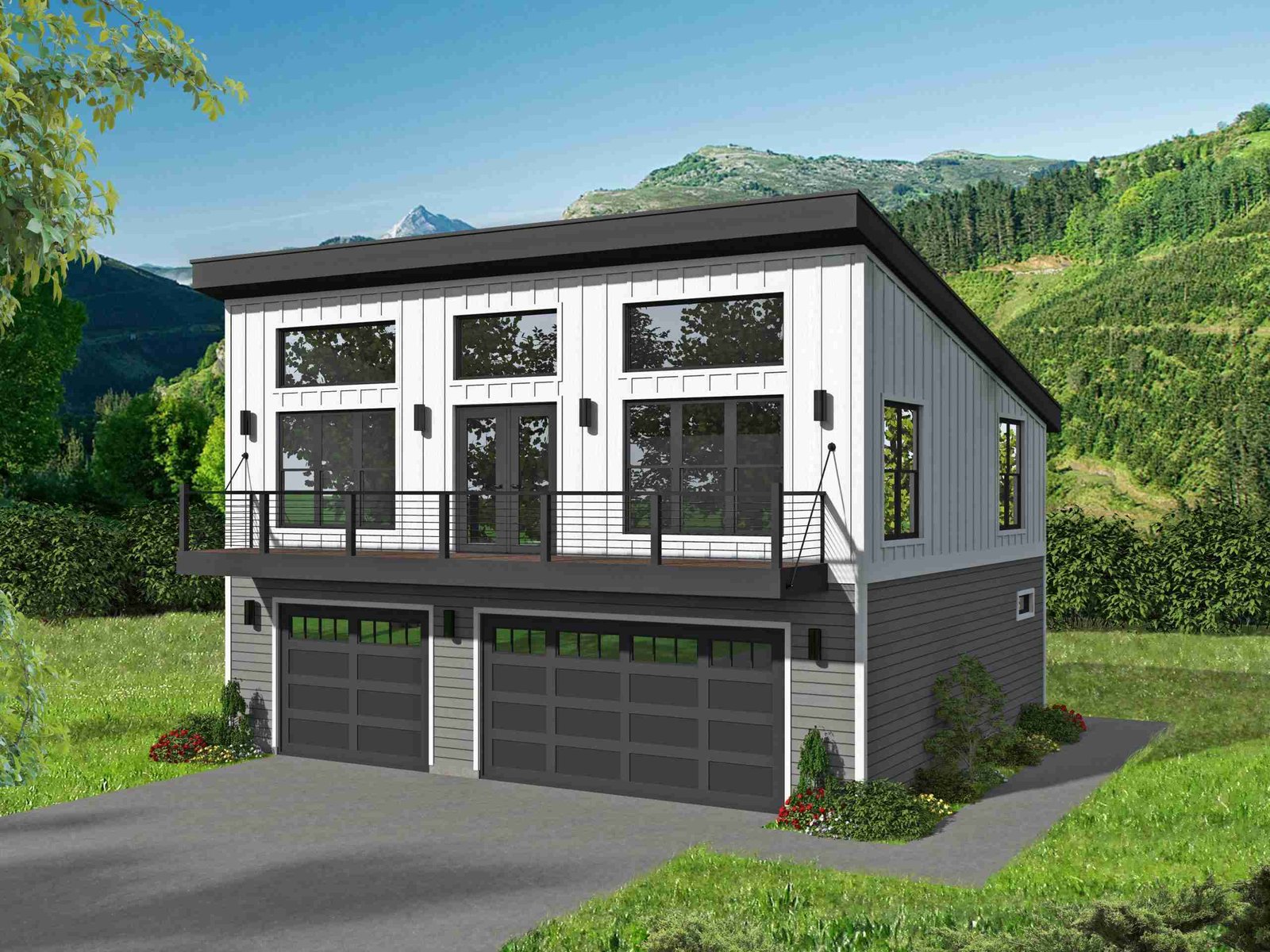
House Plan 630-0029
Why Garage House Plans Remain Popular
Garage house plans continue to appeal to modern homeowners for several reasons:
- Vehicle Protection and Convenience: A garage shields vehicles from harsh weather and provides a secure, private entry directly into the home.
- Ample Storage: Seasonal items, sports gear, and tools fit easily in a garage—reducing clutter elsewhere in the house.
- Hobby and Lifestyle Space: From woodworking and fitness to music rehearsal, garages serve countless lifestyle purposes. Their semi-private nature encourages creativity and productivity.
- Increased Home Value: A two- or three-car garage is often a must-have for buyers and boosts resale potential. Homes with finished or apartment-style garages can command higher prices.
- Adaptability: Garages evolve with a family’s needs—accommodating teen drivers, aging parents, or new hobbies over time.
Design Tips for Building a Garage Home
If you’re planning a home with a significant garage component, consider these essentials:
- Size for the Future: Build slightly larger than your current needs to allow space for storage or future vehicles.
- Plan Access Carefully: Choose front-, side-, or rear-entry layouts based on lot width and aesthetics.
- Add Utility: Include outlets, plumbing, or even a mini-split HVAC if you’ll use the space for more than parking.
- Follow Codes: Ensure fire-rated walls and doors meet safety standards, especially for attached garages.
- Invest in Curb Appeal: Decorative doors, lighting, and matching materials tie the garage visually to the home.
Conclusion
From early carriage houses to today’s multi-functional spaces, garages have become an indispensable part of modern living. A well-designed garage house plan blends practicality with flexibility—offering storage, workspace, and even additional living areas while enhancing a home’s appearance and value.
Whether you need room for multiple vehicles, a creative workshop, or a future guest suite, garage-inclusive designs provide a smart, adaptable foundation for how families live today.