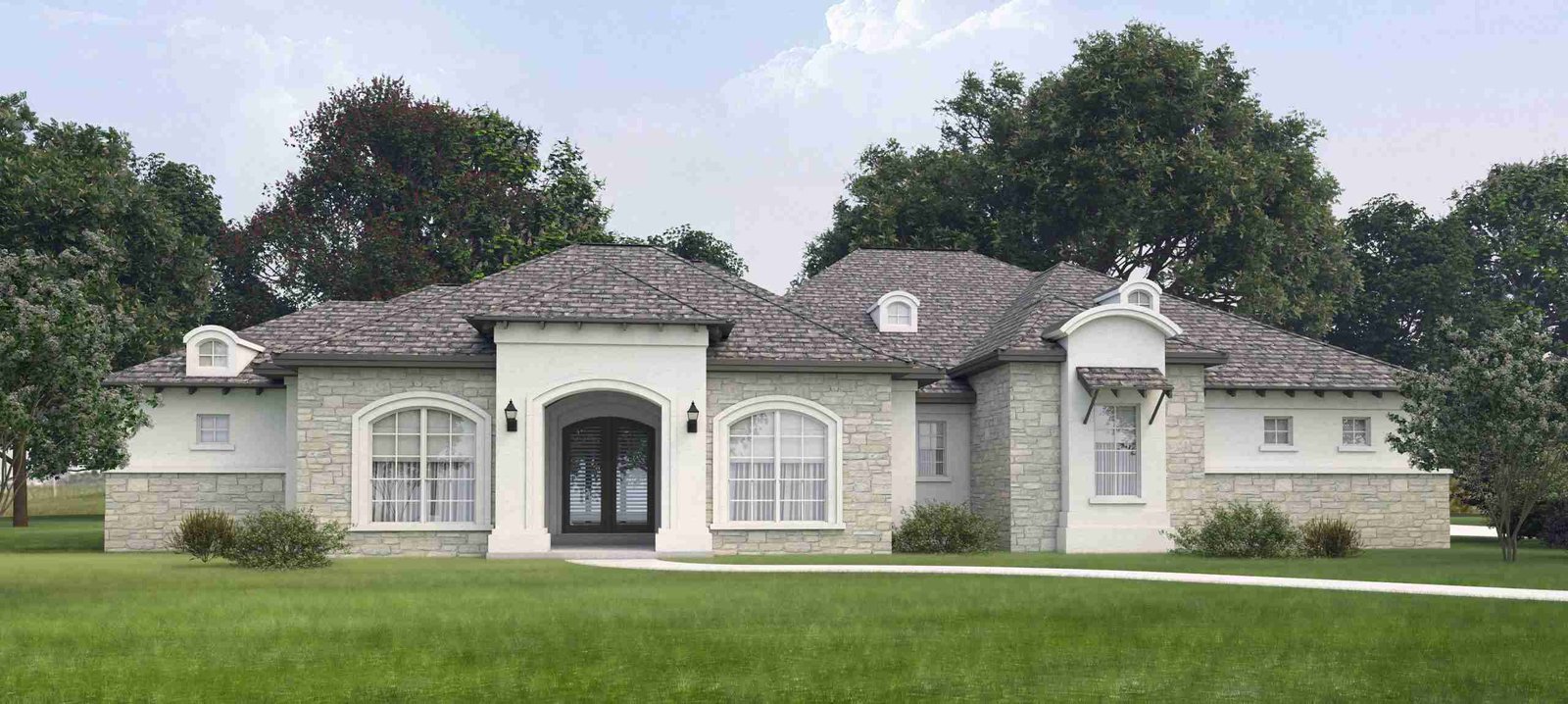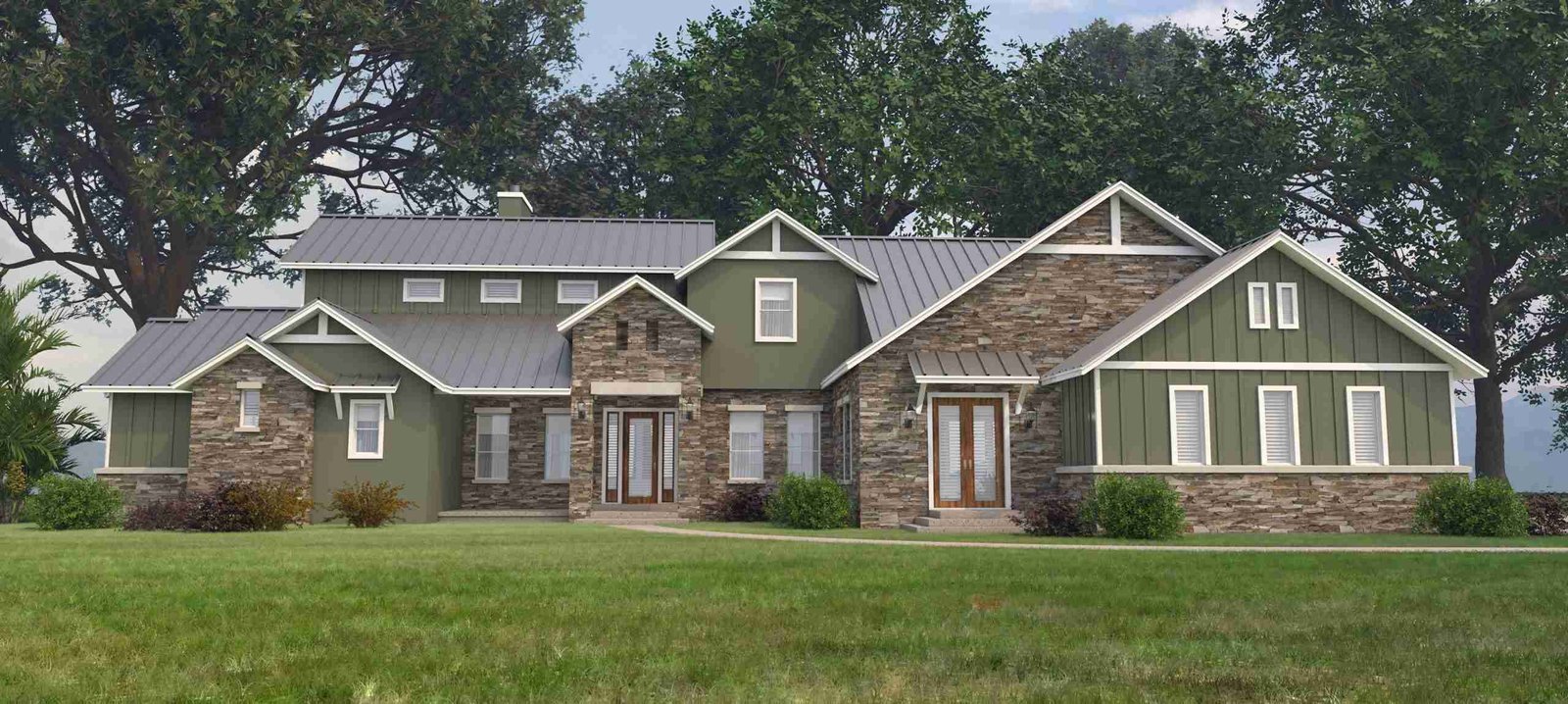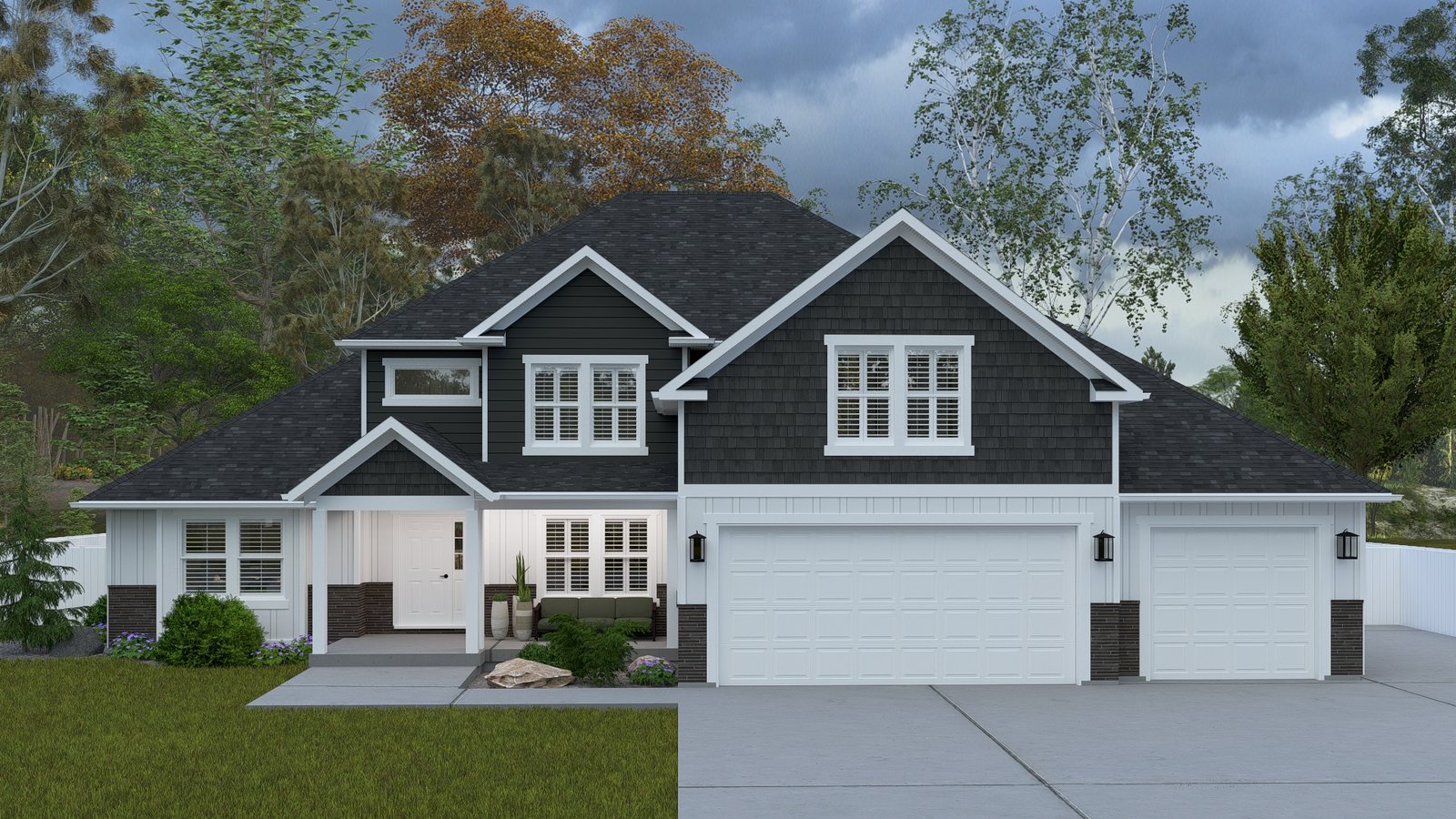
February Sale! 15% Off All House Plans

white

Split Bedroom House Plans

Split bedroom house plans feature a thoughtful layout that separates the primary bedroom suite from secondary sleeping areas, creating distinct private zones within your home. This popular floor plan style places the owner’s bedroom in one wing or corner while grouping guest rooms or children’s bedrooms in a separate area, with shared living spaces serving as a natural buffer between the two. The separation provides noise reduction, enhanced privacy, and flexibility for households with varying schedules, making these designs ideal for growing families, empty nesters who entertain frequently, and anyone who values personal space within their home.


The defining characteristic of split bedroom layouts is the deliberate physical distance between sleeping areas, achieved through strategic room placement and buffer zones. Common living areas like the kitchen, dining room, and family room occupy the central space between bedroom wings, creating both separation and connection within the home. These designs work beautifully across architectural styles, from country house plans with generous square footage to compact ranch homes where opposite-end placement maximizes privacy. Key features to look for include:

  • Primary suite positioned away from other bedrooms with its own access to bathrooms and closets
  • Secondary bedrooms grouped together in a separate wing or corner of the home
  • Central living spaces that create effective sound barriers between sleeping zones
  • Strategic hallway design that directs traffic away from private bedroom areas
  • Flexible room configurations that adapt as your family’s needs change over time

When choosing the right floor plan for your lifestyle, consider how the split bedroom arrangement accommodates your household’s daily routines, from early morning risers to late-night teens, and how guest accommodations fit into your long-term vision for the home.

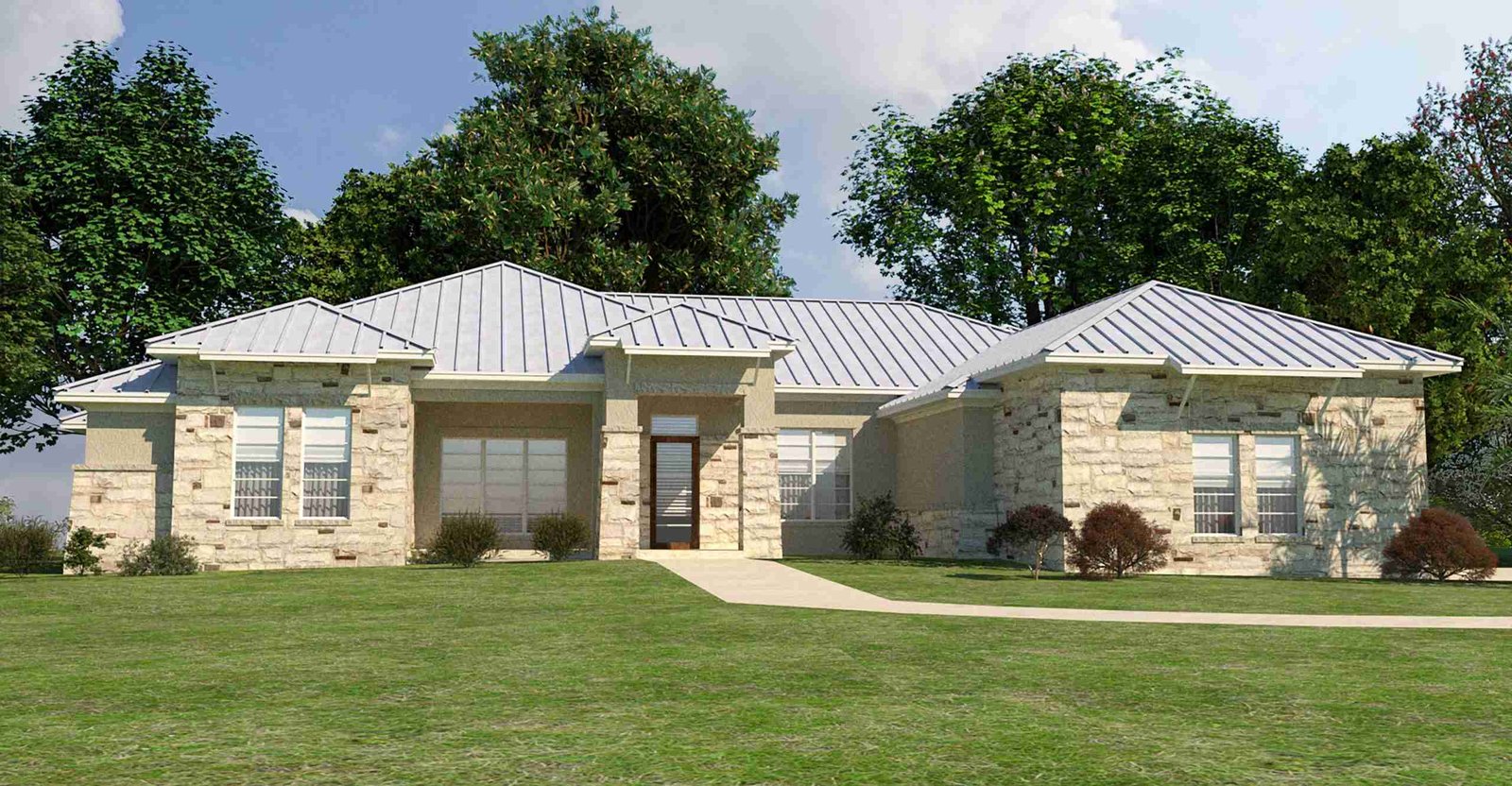
Split Bedroom House Plans FAQ ↓

Search Plan

Square Feet

Bedrooms

Bathrooms

Stories

Garage (Vehicle Spaces)

Architectural Styles

(32)

(75)

(2)

(203)

(14)

(60)

(7)

(57)

(38)

(199)

(121)

(398)

(286)

(24)

(156)

(6)

(1)

(33)

(158)

(129)

(108)

(5)

(314)

(51)

(311)

(3)

(20)

Outdoor Living

Bedroom Options

Kitchen & Dining

Laundry Location

Additional Rooms

Garage Type

Other Features

Foundation Type

Media Filters

Width (ft)

Depth (ft)

Plan Type

Show Filter

Split Bedrooms

×

Frequently Asked Questions About Split Bedroom House Plans

What is the difference between split bedroom and split level house plans?


Split bedroom refers to the strategic placement of sleeping areas in different zones of the home, with the primary suite separated from secondary bedrooms by living spaces. Split level describes a home with staggered floor elevations connected by short staircases, which may or may not include separated bedroom zones. A home can be split level without having split bedrooms, or feature a split bedroom layout on a single floor without any level changes.


Do split bedroom ranch house plans work better than two-story versions?


Single-story ranch plans offer the advantage of placing all bedrooms on one level while maximizing horizontal separation, which works beautifully on wider lots and provides easier accessibility for all ages. Two-story split bedroom designs typically place the primary suite on the main floor with secondary bedrooms upstairs, using vertical separation to create privacy while occupying a smaller footprint. The best choice depends on your lot dimensions, mobility needs, and whether you prefer horizontal distance or floor-level separation between sleeping areas.


How do split bedroom layouts benefit families with teenagers?


Teenagers naturally need increasing independence and privacy as they mature, and split bedroom plans provide appropriate separation between parent and teen spaces without feeling disconnected. The layout allows teens to maintain their own schedules, host friends in their bedroom zone, and enjoy personal space while parents retain their private retreat on the opposite side of the home. This arrangement respects evolving family dynamics while maintaining connection through shared living areas that bring everyone together for meals and activities.
 

Can split bedroom floor plans work effectively in smaller homes?


Compact three bedroom house plans can successfully incorporate split bedroom layouts by positioning the primary suite at one end and grouping two secondary bedrooms at the opposite end, with an open-concept living area serving as the buffer zone. While smaller homes may not achieve the dramatic separation found in larger designs, thoughtful placement of rooms, closets, and bathrooms still creates meaningful privacy and noise reduction. The key is evaluating the actual distance and buffer effectiveness rather than assuming any split bedroom label guarantees adequate separation.


Which architectural styles feature split bedroom layouts most commonly?


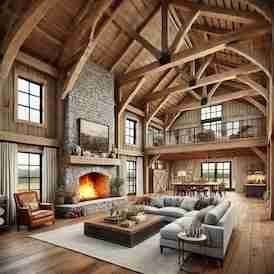
Ranch and rambler styles naturally lend themselves to split bedroom configurations because their long, horizontal footprints easily accommodate separated bedroom wings on opposite ends. Modern farmhouse and craftsman designs frequently incorporate this layout to balance open-concept living areas with private bedroom retreats, while barndominium house plans often use split bedrooms to create privacy zones within their characteristically open floor plans. Mediterranean and contemporary styles also work beautifully with split bedroom arrangements, particularly designs that incorporate courtyards or outdoor living spaces as natural transitions between bedroom wings.


What should I look for when evaluating split bedroom house plans with photos?


Beyond the floor plan layout, examine how hallways direct traffic flow, where bathrooms are positioned relative to each bedroom zone, and whether closets or utility rooms create additional sound barriers between sleeping areas. Look for outdoor access points from bedroom wings, window placement that provides natural light to all bedrooms without compromising privacy, and the effectiveness of the central buffer zone in truly separating the spaces. Photos help you visualize how the separation feels in practice and whether the design creates genuine privacy or merely nominal distance between bedroom areas.