February Sale! 15% Off All House Plans

white

Narrow Lot House Plans

Finding the right home design for a compact property doesn’t mean compromising on style or comfort. Narrow lot house plans are specifically engineered to make the most of limited width while creating spacious, functional living environments that feel open and inviting. Whether you’re building in an established urban neighborhood, on a desirable waterfront property, or working with an infill lot, these thoughtfully designed plans transform dimensional challenges into architectural opportunities. By building vertically rather than horizontally and incorporating smart design strategies like open-concept layouts, strategic window placement, and efficient circulation, narrow lot floor plans deliver all the features and amenities you expect from a full-sized home.


The beauty of narrow house plans lies in their versatility across architectural styles and sizes. From charming single-story cottages to sophisticated multi-story contemporary designs, these plans embrace vertical living while maintaining character and curb appeal. Many designs feature creative solutions like side-entry or rear-loading garages that preserve front facade width, open floor plans that maximize natural light penetration, and clever built-in storage that eliminates wasted space. The elongated footprints that define these plans create natural separation between living and sleeping areas while maintaining visual connection throughout the home. Whether you’re drawn to the welcoming porches and built-in charm of bungalow house plans or prefer the clean lines and expansive windows of modern architecture, you’ll find narrow lot designs that perfectly match your vision.


Choosing the right house plans for narrow lots requires understanding how design strategies affect daily living. The most successful plans use full-width windows on front and rear facades to flood interiors with light, incorporate high ceilings that draw the eye upward, and create long sightlines that emphasize depth over width. These homes often pair beautifully with open floor plans that eliminate unnecessary walls and allow spaces to flow seamlessly from front to back. Whether you’re seeking a cozy retreat or a spacious family home, narrow lot house floor plans prove that smart design can deliver exceptional livability regardless of property dimensions. The key is selecting a plan that aligns with your lifestyle needs while making the most of your specific lot’s opportunities—from maximizing natural light and creating functional outdoor living areas to ensuring comfortable room proportions and efficient traffic flow throughout the home.


Narrow Lot House Plans FAQ ↓

Search Plan

Square Feet

Bedrooms

Bathrooms

Stories

Garage (Vehicle Spaces)

Architectural Styles

(32)

(75)

(2)

(203)

(14)

(60)

(7)

(57)

(38)

(199)

(121)

(398)

(286)

(24)

(156)

(6)

(1)

(33)

(158)

(129)

(108)

(5)

(314)

(51)

(311)

(3)

(20)

Outdoor Living

Bedroom Options

Kitchen & Dining

Laundry Location

Additional Rooms

Garage Type

Other Features

Foundation Type

Media Filters

Width (ft)

Depth (ft)

Plan Type

Frequently Asked Questions About Narrow Lot House Plans

What makes a house plan suitable for a narrow lot?


A narrow lot house plan is specifically designed with an elongated, front-to-back orientation rather than a wide footprint, allowing it to fit comfortably within limited width constraints while maintaining required side setbacks. These plans typically maximize livable space through vertical design, featuring multiple stories, and incorporate strategic garage placement like side-entry or rear-access configurations that preserve front facade width. The most effective designs emphasize natural light through generous front and rear windows, open-concept living areas, and thoughtful circulation that minimizes hallway waste.


How do narrow lot designs create a sense of spaciousness?


Narrow house lot plans overcome width limitations by emphasizing vertical space with high ceilings, using open-concept layouts that eliminate visual barriers, and incorporating abundant windows that flood interiors with natural light. Long sightlines from the front of the home to the back create visual depth, while neutral color palettes and strategic placement of mirrors or reflective surfaces enhance the feeling of openness. Many designs also include features like skylights, clerestory windows, and interior glass doors that distribute light throughout the home.
 

What architectural styles work best for narrow lot house plans?


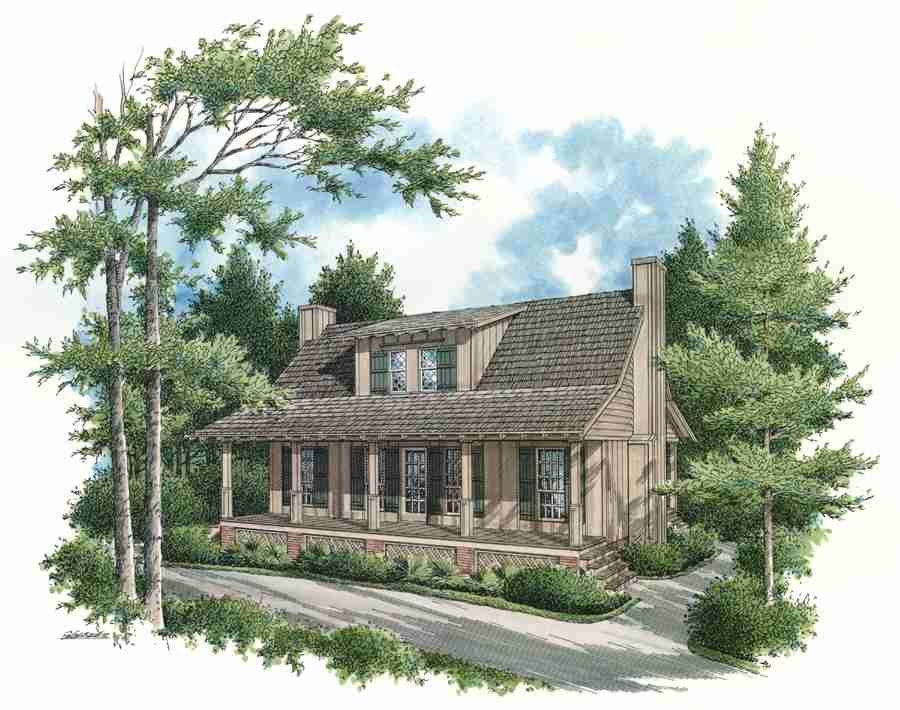
Several architectural styles naturally complement narrow lot proportions, including Craftsman designs with their vertical emphasis and welcoming front porches, modern and contemporary styles that embrace clean lines and extensive glazing, and traditional townhouse aesthetics perfected over centuries for urban settings. Cottage-style homes work beautifully for those seeking cozy, efficient living spaces, while coastal designs excel on narrow waterfront properties by maximizing views and incorporating elevated construction. The best style for your project depends on neighborhood context, personal preference, and how each design approach maximizes your specific lot’s characteristics.


Should I choose a single-story or multi-story narrow lot home?


Multi-story designs typically provide better livability on narrow lots by building upward rather than consuming limited ground space, allowing for more generous room proportions and functional outdoor areas. However, single-story plans appeal to those planning to age in place or preferring one-level living, and can work well when paired with house plans for small lots that maximize efficiency. Consider your lifestyle needs, mobility preferences, and how much total living space you require when deciding between vertical and horizontal layouts.


How do narrow lot plans handle garage placement?


Narrow lot house floor plans address garage challenges through several creative approaches: side-entry garages with doors facing the side rather than front, rear-access garages reached via alleys that free up the entire front facade, or tandem configurations where vehicles park one behind the other to minimize width requirements. Some urban designs forgo attached garages entirely in favor of detached structures or rely on street parking, while others recess front-loading garages to reduce their visual impact. The best garage configuration depends on your lot’s access points, local parking requirements, and how you want to balance curb appeal with convenience.


What outdoor living options work with narrow lot designs?


Narrow lot plans maximize outdoor living through front porches that extend the full width of the home, rear patios or decks that utilize the back of the property, and creative solutions like rooftop terraces or second-floor balconies that add outdoor space without consuming yard area. Some designs incorporate courtyard layouts where the home wraps around a protected outdoor room, while others treat narrow side yards as thoughtfully landscaped green corridors. The compact footprint of cottage style house plans can also create interesting opportunities for outdoor living areas on narrow properties.