February Sale! 15% Off All House Plans

white

Beach House Plans

Beach house plans capture the essence of coastal living with designs that embrace waterfront views, ocean breezes, and the relaxed lifestyle that draws people to the shore. These specialized home designs differ from conventional house plans through features like elevated foundations that protect against flooding, expansive windows positioned to frame water vistas, and generous outdoor living spaces that extend your home into the coastal landscape. Whether you’re envisioning a cozy beach cottage for weekend retreats or a spacious coastal estate for year-round living, beach home plans prioritize the connection between interior spaces and the natural beauty surrounding them. From wraparound porches perfect for morning coffee to rooftop decks that capture sunset views, these designs transform everyday living into a perpetual vacation.


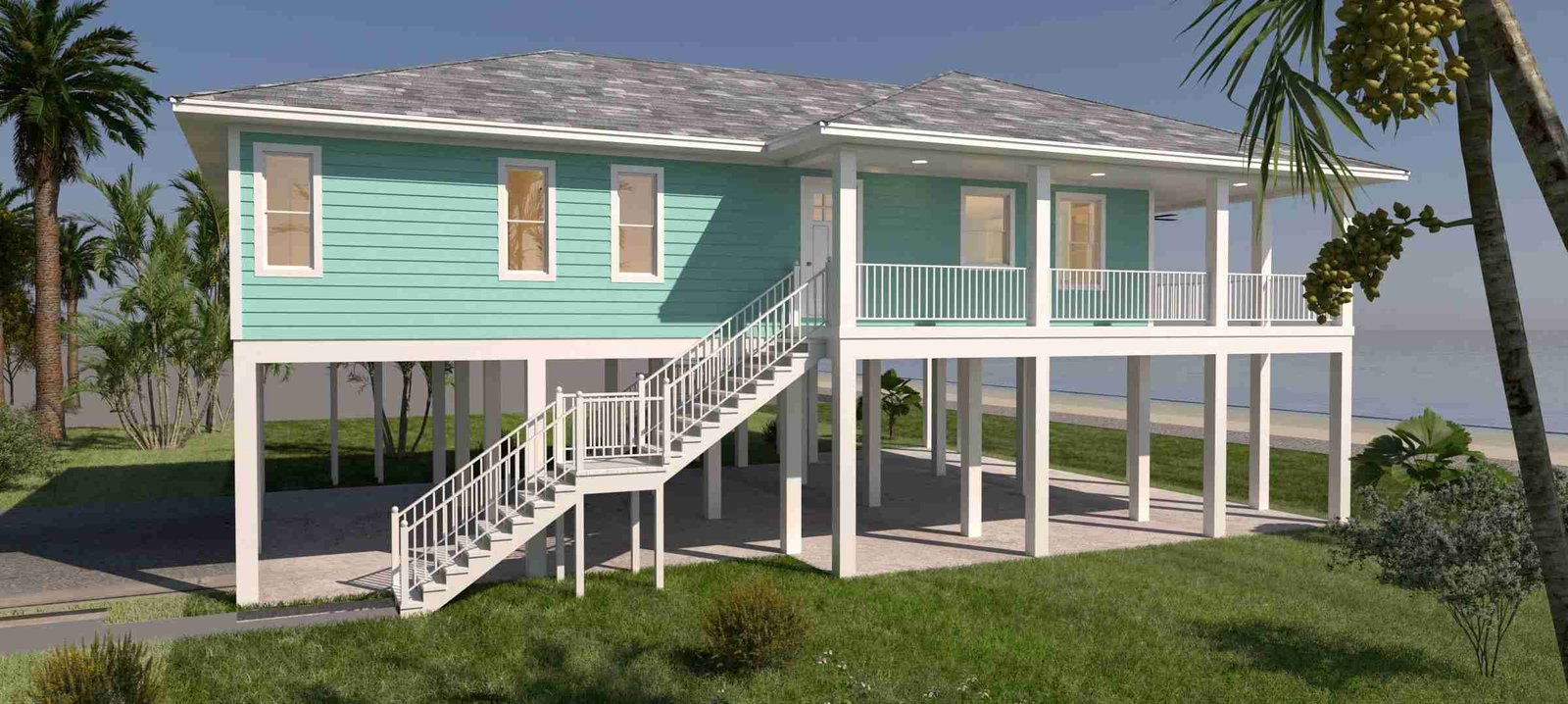
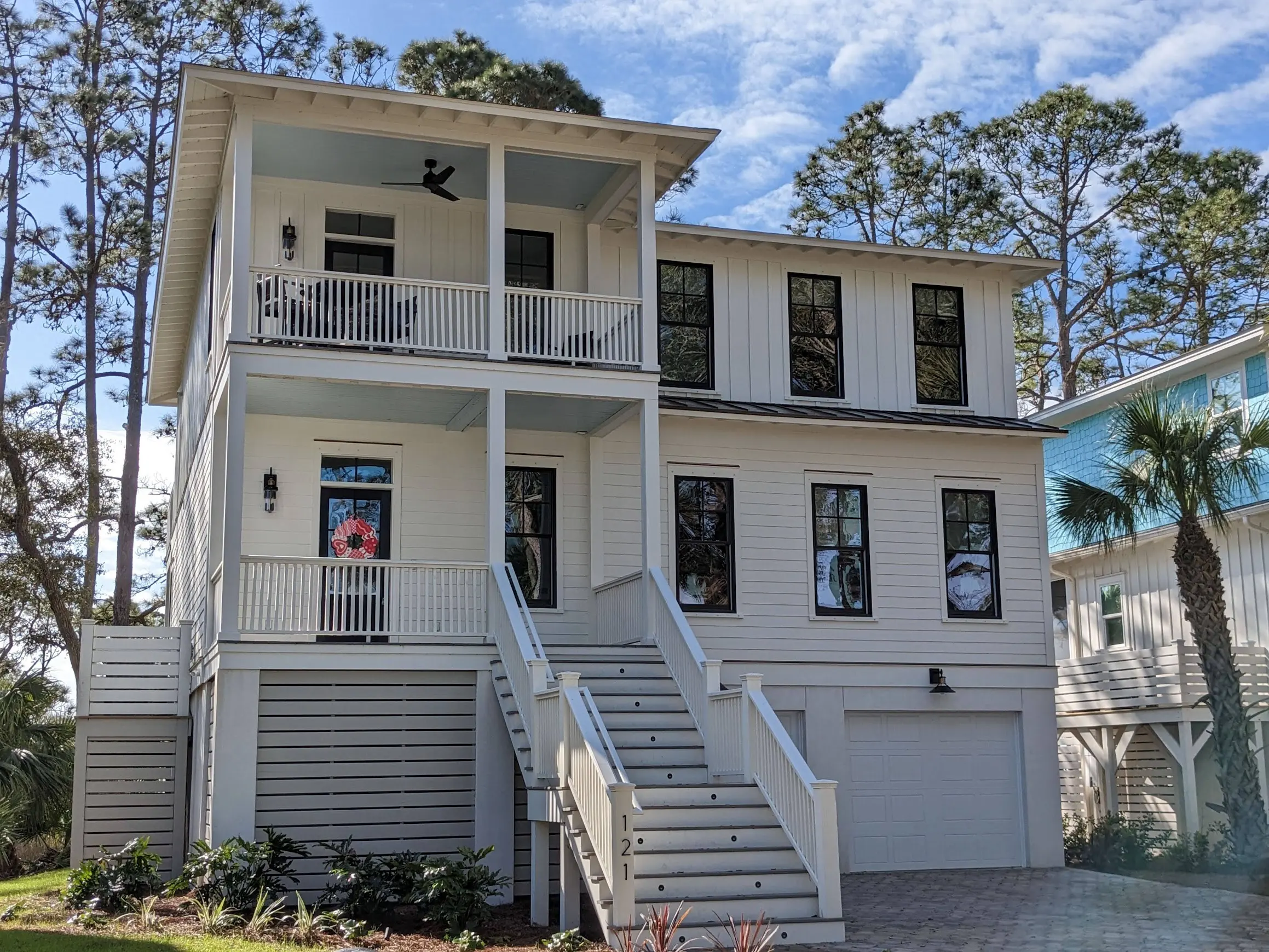
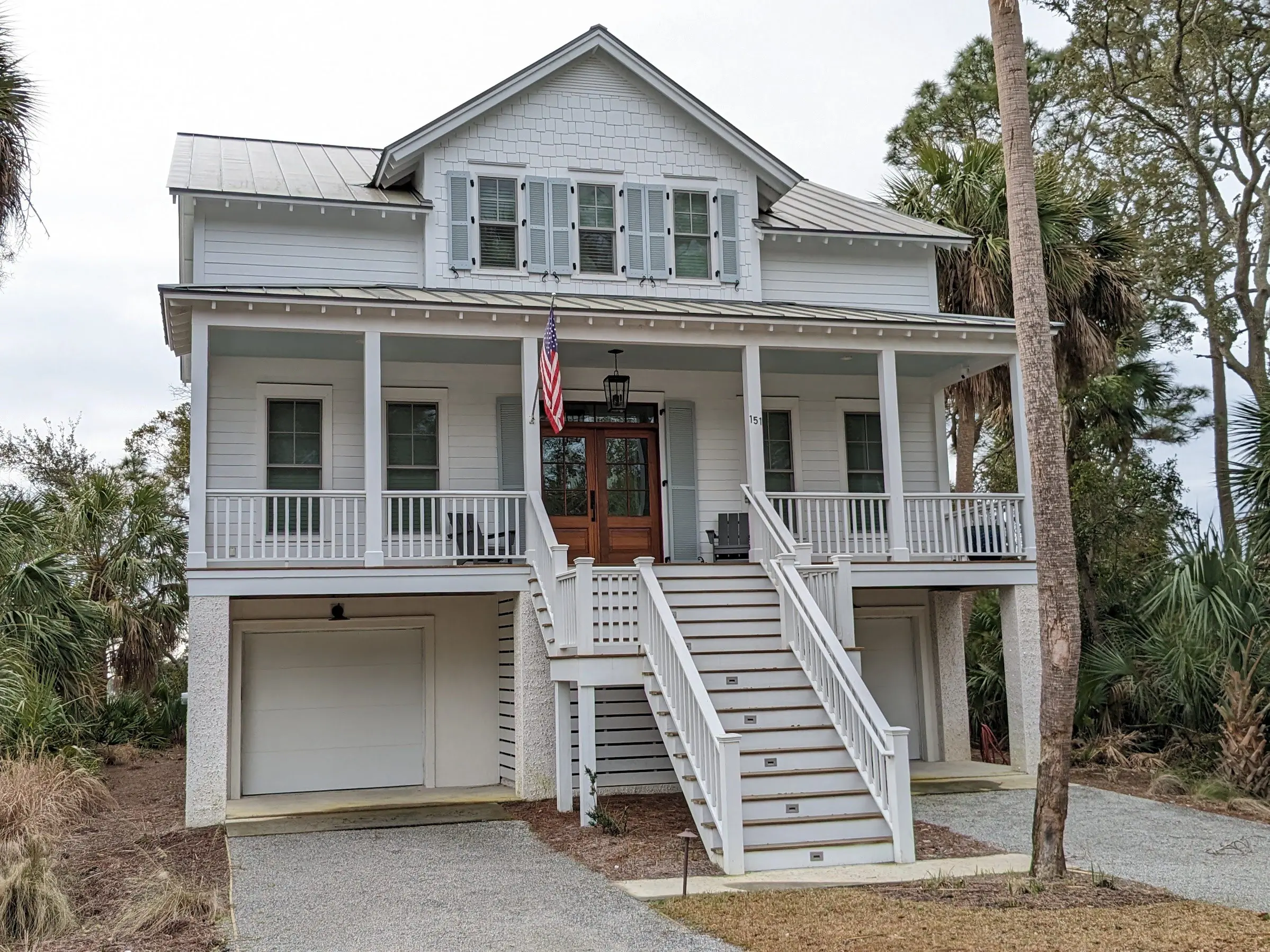
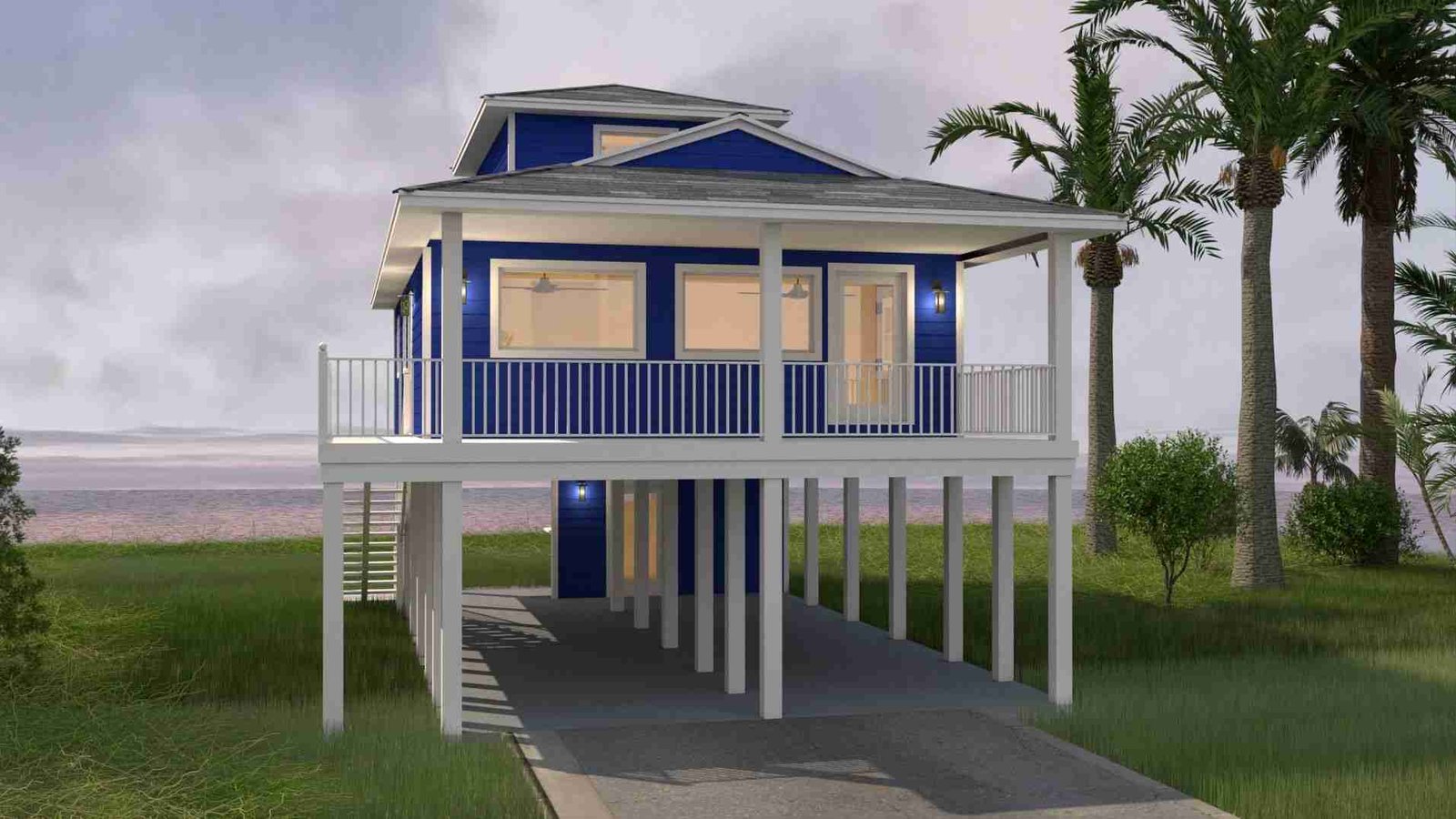
The architecture of beach house floor plans reflects both practical necessity and lifestyle aspiration. Many coastal home designs incorporate piling foundations or pier and beam foundations that lift living spaces above potential storm surge while creating sheltered areas below for parking and storage. Open floor plans allow natural light and cooling breezes to flow throughout the home, reducing reliance on artificial climate control while creating airy, spacious interiors. Reverse-living layouts—positioning main living areas on upper floors—maximize water views from the spaces where you’ll spend most of your time. Beach house building plans also address the harsh coastal environment through strategic material choices, protective overhangs, and designs that minimize maintenance while maximizing durability against salt air and weather exposure.


Selecting the right beach house design involves understanding how different layouts support your lifestyle and complement your specific coastal location. Proper home orientation ensures you capture prevailing breezes and frame the best water views from primary living spaces and bedrooms. Narrow beachfront lots often require vertical, multi-story designs that maximize water-facing frontage, while wider properties allow sprawling layouts with separated wings for privacy. If you’re planning a property that serves dual purposes, explore vacation house plans that balance rental appeal with personal enjoyment. Consider how you’ll actually use your coastal home—entertaining large gatherings demands different spaces than quiet couple’s retreats, and full-time residence requires different functionality than seasonal escapes. The ideal beach house plan seamlessly blends indoor and outdoor living, protects against coastal conditions, and creates spaces where memories are made against the backdrop of sun, sand, and sea.
 

Beach House Plans FAQ ↓

Search Plan

Square Feet

Bedrooms

Bathrooms

Stories

Garage (Vehicle Spaces)

Architectural Styles

(32)

(75)

(2)

(201)

(14)

(60)

(7)

(57)

(38)

(196)

(121)

(398)

(279)

(24)

(156)

(6)

(1)

(33)

(152)

(129)

(108)

(5)

(314)

(51)

(311)

(3)

(20)

Outdoor Living

Bedroom Options

Kitchen & Dining

Laundry Location

Additional Rooms

Garage Type

Other Features

Foundation Type

Media Filters

Width (ft)

Depth (ft)

Plan Type

Frequently Asked Questions About Beach House Plans

What makes a floor plan specifically designed for beach living?


Beach house floor plans are specifically designed to maximize water views through strategic window placement and room orientation, while elevated construction protects against flooding and captures better vistas. These plans emphasize indoor-outdoor living with multiple deck access points, covered porches, and features like outdoor showers and generous storage for beach equipment that standard home designs don’t include.


Should I choose an open-concept or traditional layout for my beach house?


Open-concept layouts work exceptionally well for beach homes because they maximize views, natural light, and airflow throughout main living spaces while facilitating entertaining and creating inclusive family environments. However, your decision should reflect how you’ll use the home—full-time residents who work remotely may appreciate some separated spaces for quiet, while vacation properties benefit from the social connectivity open plans provide.


What is a reverse-living or inverted floor plan for beach houses?


Reverse-living plans position main living areas, kitchen, and primary entertaining spaces on the upper floor with bedrooms below, prioritizing water views from the spaces where you’ll spend most of your time. This layout works beautifully for lots with exceptional vistas and vacation homes focused on entertaining, though it requires carrying groceries upstairs—a worthwhile trade-off for waking up to spectacular views.


How do I choose between a single-story and multi-story beach house plan?


Single-story beach plans offer aging-in-place advantages and easier accessibility, ideal for retirees or anyone planning long-term residence, while multi-story designs maximize views on elevated lots and provide better separation between owner and guest spaces. Your lot characteristics also influence this decision—narrow beachfront properties often require vertical designs to maximize water frontage, while wider lots accommodate sprawling horizontal layouts.


What outdoor living features should I look for in beach house plans?


Prioritize covered porches and decks that provide usable outdoor space regardless of weather, multiple outdoor zones for different activities like dining and lounging, and spaces positioned to minimize wind exposure while capturing views. The best beach house designs include outdoor showers for rinsing off sand, easy kitchen access to outdoor dining areas, and upper-level observation decks or rooftop terraces that maximize water vistas.


How important is elevation in beach house building plans?


Elevation requirements vary by location and flood zone designation, with many coastal areas mandating raised construction using piling foundations to protect against storm surge and flooding. Beyond regulatory compliance, elevated designs offer significant practical benefits including better views, improved ventilation, protected parking and storage space below, and enhanced long-term resilience against coastal weather events.