



Back to Articles
Inspiring Landscaping Ideas for Farmhouse, Contemporary, Barndominium, Craftsman, and New American Homes

House Plans Online
March 31, 2025
Landscaping plays a crucial role in enhancing the appeal and character of your home. Thoughtful landscaping not only boosts curb appeal but also complements the architectural features of your home, increases property value, and creates inviting outdoor spaces. In this guide, we will explore landscaping approaches designed specifically for five popular home styles: Farmhouse, Contemporary, Barndominium, Craftsman, and New American.
Farmhouse Landscaping: Embracing Rustic Simplicity
If you’re looking for timeless front yard landscaping ideas, farmhouse landscapes beautifully embody rustic charm through informal and naturalistic designs that create an inviting and serene atmosphere. Drawing inspiration from the simplicity of rural settings, this style emphasizes comfort, practicality, and genuine authenticity.
Embracing a relaxed yet purposeful layout, farmhouse landscaping favors organic shapes and arrangements over rigid, formal structures. A palette of neutral, earthy tones is artfully accented with seasonal colors, offering a timeless and balanced look. By selecting native and climate-appropriate plants, you can create a low maintenance front yard that harmonizes naturally with its surroundings. Garden beds are characterized by soft, flowing lines that enhance the organic feel, avoiding the constraints of geometric shapes.

Hydrangeas Photo by Jan Ranft on Unsplash
Spacious lawns serve as a key feature, often adorned with grasses that thrive in the local climate. In cooler regions, lush Kentucky bluegrass or resilient fescue create a vibrant green carpet, while warmer climates benefit from the heat-loving Bermuda or Zoysia grasses. Adding to the visual delight, cottage-style perennial flowers such as the delicate hydrangeas, fragrant lavender, and cheerful black-eyed Susans (Gardenia.net) bloom in an array of vibrant colors and rich textures. Strategically positioned shade and ornamental trees, including majestic maples, stately oaks, and charming fruit trees like apple trees, not only provide relief from the sun but also enhance the landscape’s visual appeal.
The hardscaping elements within farmhouse landscaping often include stone walkway landscaping using natural stone, rustic brick, or earthy flagstone paths and patios that blend seamlessly with the overall aesthetic. Traditional fencing options, such as picturesque split-rail or timeless white picket fences, contribute to the cozy, rural ambiance. Mulch, whether it be aromatic pine straw, textured bark, or smooth gravel, plays an essential role—not only enhancing the natural look but also promoting the health of the plants. Furthermore, practical features like quaint vegetable gardens or fragrant herb beds highlight the functional roots of farmhouse style. These elements are central to many farmhouse landscaping ideas, reinforcing the connection to the land and wholesome living.
Contemporary Landscaping: Sleek, Minimalist, and Modern
Contemporary landscaping designs artfully complement modern home architecture through sleek, minimalist approaches that emphasize clean lines and a sense of simplicity, resulting in sophisticated and harmonious outdoor spaces. This distinctive style showcases a thoughtful approach to design, featuring intentional use of space that highlights geometric shapes and clear visual lines.
A hallmark of contemporary landscaping is the seamless integration of indoor and outdoor areas—a core principle of modern outdoor living space design that extends the living environment into the landscape. This style is especially suited for modern backyard landscaping ideas, emphasizing sustainability, low maintenance, and the use of drought-tolerant and native plants.
Sustainability takes center stage, with a focus on creating a low maintenance front yard using drought-tolerant landscaping ideas and native plants well-suited for modern designs. In this contemporary landscape aesthetic, traditional lawns are often minimized or replaced with structured ground covers like creeping thyme and decorative gravel—hallmarks of minimalist garden landscaping that significantly reduce maintenance. Architectural plants, such as striking agaves and resilient succulents, offer sculptural qualities, while elegant grasses like blue fescue and feather grass add softness and movement.

Japanese Maple Photo by Takemaru Hirai on Unsplash
Distinctive trees, including the graceful Japanese maple with its vibrant autumn foliage and the timeless olive tree with its silvery leaves, provide vertical elements that enhance the landscape’s character. Plants are arranged in geometric formations that promote visual harmony, with a muted color palette featuring greens, silvers, and browns. This design approach highlights diverse textures and forms, creating a tranquil connection to nature.
The hardscape prominently features modern materials, including poured concrete patios, expansive pavers, and smooth stone pathways. These pathways often follow rectilinear designs or include geometric stepping stones that are artfully set within beds of gravel or minimalist mulch. Innovative materials, such as sleek steel edging and Corten steel planters, enhance the contemporary aesthetic. Minimalist water features, like serene reflecting pools and graceful linear fountains, add a tranquil element to the space. Additionally, subtle landscape lighting is strategically used to highlight architectural details and plant features, casting gentle illumination that enhances the overall ambiance.
Barndominium Landscaping: Rustic Charm with Functional Appeal
Barndominium landscaping ideas beautifully merge rustic charm with practicality, capturing the essence of their rural and semi-rural origins. This style prioritizes low-maintenance gardens that thrive in local climates and often incorporate drought-tolerant landscaping ideas, using native plants that boost resilience and biodiversity. Thoughtfully designed outdoor spaces enhance both utility and aesthetic appeal, creating environments that are as welcoming as they are functional.
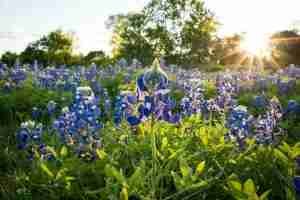
Bluebonnets Photo by Matthew Lancaster on Unsplash
The layouts are characterized by an inviting informality that fosters a sense of ease and relaxation. Robust native plants, such as purple coneflowers and black-eyed Susans, alongside vibrant wildflowers like bluebonnets and daisies, are intentionally selected for their compatibility with regional conditions. The landscaping intentionally maintains a simple and organic appearance, often showcasing sprawling wildflower meadows that attract pollinators or informal flower beds that seamlessly blend into the surrounding countryside. This approach creates a picturesque landscape that feels authentically connected to nature, providing a tranquil escape from urban life.
Expansive lawns are carefully cultivated to achieve a balance between meticulous maintenance and a sense of natural freedom. Native grasses, such as little bluestem and switchgrass, enhance the rustic atmosphere while significantly reducing the need for upkeep and water consumption. The plant arrangements prominently feature resilient perennials, including vibrant blanket flowers (Gaillardia) and decorative ornamental grasses like the elegant Mexican feather grass (Nassella tenuissima). These plants sway gracefully in the breeze, adding movement and texture to the landscape. Majestic trees, including sturdy cedar elms and grand live oaks, provide essential shade and contribute to a sense of scale and grandeur, enhancing the impressive presence of sprawling barn-like structures.
Hardscapes are carefully designed to harmonize with the natural landscape, incorporating gravel driveways that offer a rustic yet practical approach to navigating the property. Pathways meander organically through gardens and lawns, guiding visitors while promoting a sense of discovery. Natural stone retaining walls lend a timeless quality and provide functional support, seamlessly integrating with the overall aesthetic. Simple wooden fencing outlines outdoor spaces, offering subtle definition and framing views without breaking the serenity of the surroundings.
Rustic elements, including cozy fire pits made of reclaimed stone that serve as gathering spots for friends and family, whimsical windmill-powered water features that provide soothing sounds, and repurposed materials like salvaged barn wood, add character and charm. These features reinforce the laid-back, country aesthetic and transform the barndominium yard into a delightful retreat, perfect for relaxation and connection with nature.
Craftsman Landscaping: Natural Integration and Artisanal Details
Craftsman home landscaping beautifully emphasizes the symbiotic relationship between the home and its surrounding natural environment. This approach showcases exquisite handcrafted details, such as custom stonework and intricate woodcraft, alongside thoughtfully selected native plantings that resonate with the local ecosystem.
The design principles are rooted in simplicity and functionality, seamlessly integrating elements like native grasses, flowering plants, and natural stone to create an inviting yet meticulously curated outdoor space. This approach to native plant landscaping features a rich tapestry of region-specific flora, artfully arranged in an informal yet deliberate fashion to enhance and complement the home’s architectural elegance, ensuring that each element feels intentional and connected.
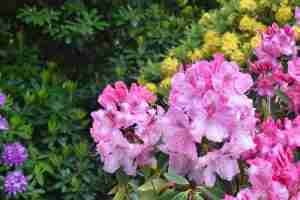
Rhododendrons Photo by Andrew Hall on Unsplash
Lawn areas are modest in size, meticulously maintained with organic methods to promote health and sustainability. They are adorned with a diverse array of native shrubs such as blueberry bushes, perennial blooms like black-eyed Susans, and ornamental trees including flowering cherries that collectively provide vibrant seasonal interest. Typical Craftsman yard plants include the lush beauty of rhododendrons with their stunning spring blooms, the delicate petals of summer-thriving hydrangeas, the vibrant coneflowers that attract pollinators, and the elegant form of dogwoods (Gardenia.net) that bring seasonal interest.
Stone walkway landscaping is a staple of Craftsman design, with hardscape elements that highlight the use of local stone and reclaimed wood—like meandering stone paths that invite exploration. Picturesque stacked-stone garden walls create the perfect backdrop for colorful flora, while charming wooden pergolas or arbors offer shaded retreats for relaxation. Subtle water features, like serene ponds with native aquatic plants or gentle fountains with soothing sounds, add a touch of tranquility, fostering a serene atmosphere ideal for contemplation.
Artistic elements, such as handcrafted garden lighting that gently illuminates pathways at dusk and intricate metalwork that might adorn gates or fences, further enrich the landscape. These features transform the outdoor area into a true reflection of artistry and nature, creating a cohesive space that not only enhances the home’s appeal but also nurtures the surrounding environment.
New American Landscaping: Modern Flexibility Meets Traditional Charm
New American home landscaping masterfully intertwines traditional charm with contemporary flair, creating vibrant, adaptable suburban spaces that invite exploration and appreciation. This design philosophy places a strong emphasis on enhancing curb appeal through a harmonious blend of elements that reflect both elegance and comfort.
Key design principles aim to strike a balance between structured formality and a relaxed atmosphere, making them appealing to a diverse range of homeowners. Thoughtful use of moderate symmetry around entryways enriches architectural features without creating a rigid feel, resulting in a welcoming first impression. For example, flanking entryways with well-pruned boxwood hedges or visually striking ornamental grasses can enhance symmetry while preserving a laid-back ambiance.
Selecting regionally adaptive plant species ensures that the landscape flourishes year-round, boasting beauty, ease of maintenance, and a commitment to sustainability. Lawns are skillfully arranged with grasses well-suited to their specific climates—cool-season fescues and bluegrass thrive in northern territories, often complemented by perennials like coneflowers and black-eyed Susans, while the warm southern regions are graced by the lush textures of Bermuda or St. Augustine grasses, ideal for enduring hot summers.
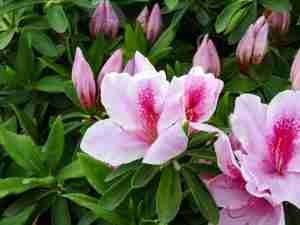
Azaleas Photo by yamasa-n on Unsplash
Layered foundation plantings combine the steadfastness of evergreen shrubs, such as boxwood and holly, with the vibrant colors of seasonal flowering plants like azaleas and hydrangeas. This careful arrangement artfully frames the home’s facade, enhancing its visual allure and creating a dynamic seasonal spectacle.
Incorporating well-planned hardscaping ideas enhances both the depth and functionality of the overall design, from entry paths to backyard patios. Inviting front pathways made from natural stone or brick pavers guide visitors through meticulously landscaped garden beds filled with a diverse array of native flowers. Sturdy retaining walls, built from materials such as timber or natural stone, add an elegant touch to sloped areas while preventing soil erosion. Neatly arranged mulch and gravel beds, featuring light colors that contrast with the greenery, enhance the landscape by emphasizing cleanliness, order, and a polished appearance.
These patios reflect thoughtful outdoor living space design, often built from textured paving stones or natural flagstone and furnished with comfortable seating and weather-resistant décor. This allows families to enjoy the beauty of their surroundings in comfort. Thoughtful additions, such as outdoor kitchens or fire pits, create multifunctional spaces ideal for entertaining or relaxing under the stars, further enriching the overall experience of outdoor living.
Conclusion
Integrating landscaping with architectural style greatly enhances the visual allure, functional utility, and overall market value of a property. By skillfully intertwining these meticulously crafted landscaping strategies, homeowners can create harmonious and breathtaking outdoor environments that resonate with their unique home designs. This thoughtful approach not only transforms outdoor spaces into inviting retreats but also ensures that they are both aesthetically captivating and practically useful.